
BringCom is celebrating their 20th anniversary this year, and as we celebrate this milestone, we reflected on our journey to becoming a leading communications solutions provider in Africa. Our vision to provide solutions for a connected Africa has spanned over two decades, and we wanted to commemorate this achievement by sharing our story from the beginning, with our CEO and Founder, Fabrice Langreney.
In this third installment of BringCom’s 20th Anniversary series, we delve into a pivotal period in the company’s history—years 10 to 15 (2014-2019). This era marked a significant expansion of BringCom’s presence in Africa, with strategic moves that solidified its position as a key player in the telecommunications industry across the continent. During this time, BringCom not only broadened its geographical footprint but also strengthened its customer base, particularly within the U.S. Government sector. This period saw the company making critical infrastructure investments, acquiring new assets like Datanet in Uganda, and extending its philanthropic efforts.
How would you describe the major accomplishments or milestones the company achieved during years 10 to 15?
Between years 10 and 15, BringCom achieved several significant milestones across various areas:
- Expanded local presence in Africa: In 2017, BringCom identified Niger as a priority market due to the establishment of two U.S. bases in Niamey and Agadez. As a result, BringCom opened an office and made key infrastructure investments to bring fiber connectivity to these bases. In 2018, BringCom acquired Datanet, the oldest ISP in Uganda and a long-standing customer of BringCom, which supported our expansion into East Africa. Today, Datanet serves customers beyond Uganda, including Ethiopia and Somalia, and also provides Level 1 support for BringCom’s Network Operations Center (NOC) services.
- Expanded customer base: In 2017, BringCom secured a major contract to supply services to U.S. embassies across Africa, further expanding our U.S. Government customer base to include the State Department.
- Expanded network reach: In 2015, BringCom entered into a strategic agreement with Djibouti Telecom and BT, investing in SMW5 capacity to facilitate growth across Africa.
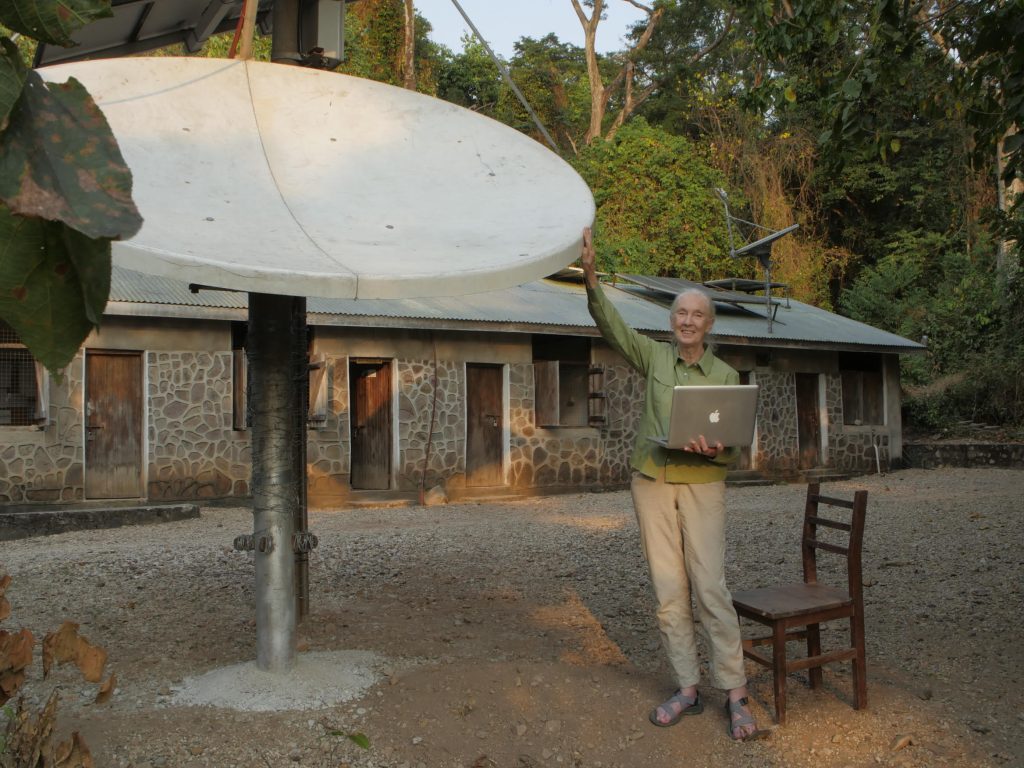
- Expanded philanthropic activities: BringCom also extended its philanthropic efforts, providing free satellite services to the Jane Goodall Foundation in Gomba. A personal highlight for me was meeting Jane Goodall on multiple occasions while residing in Tanzania—memories I cherish. Additionally, in 2016, I climbed Mt. Kilimanjaro with friends and family and raised funds for the Forever Angels organization, an experience that remains deeply meaningful.

What were the key strategic priorities for the company during this period, and how did they evolve from previous years?
Key strategic priorities centered on maintaining a strong focus on government customers operating in Africa. This approach involved fostering close relationships with end customers to gain a deeper understanding of their current and future needs. Additionally, the company committed to investing further in network infrastructure to meet evolving demands. A notable example of this was in Niger, where we established fiber-based networks to serve the new U.S. bases in Niamey and Agadez. We also expanded our backhaul capabilities across Africa by investing in new SMW5 submarine cable capacity.
Did the company enter new markets or expand its product/service offerings during these years? What was the rationale behind these expansions?
It was actually the other way around, the company made a strategic decision to focus exclusively on serving foreign government agencies operating in Africa, stepping away from opportunities in the Middle East and commercial markets. As a result, our client base expanded to include new foreign government agencies in Europe and an increased presence within the U.S. Government, notably adding the State Department. At the same time, we increased our geographical presence and network reach on the continent by adding submarine capacity and network infrastructure in additional countries such as Niger.
How did the competitive landscape continue to evolve during years 10 to 15, and how did the company maintain its competitive edge?
The competitive landscape remained relatively stable, and we sustained our competitive edge by focusing on our niche market and building strong relationships with end customers. Simultaneously, we enhanced customer service and network reliability. A key example is the 2018 acquisition of Datanet, an ISP in Uganda that had been a BringCom customer since 2006. With the addition of local resources in Africa, we expanded our Level 1 NOC services and strengthened our technical support team in East Africa.

How did the company navigate economic fluctuations or industry-specific challenges during these years?
The telecommunications sector in Africa continues to experience significant growth, with demand steadily increasing. However, challenges persist, particularly in the operations and regulatory environments. Power remains a critical issue, as the continent’s power grids struggle to support the expanding telecommunications infrastructure. This has been evident in countries like South Africa, where frequent power outages are becoming more problematic, especially with the growing presence of energy-intensive data centers. Still today, over 50% of our NOC trouble tickets are related to power issues.
Regulatory challenges also pose significant hurdles. In many cases, local administrations introduce regulations for new services only after those services have already been implemented locally. The private sector urgently needs more proactive regulatory bodies, equipped not only to regulate new services but also to enforce these regulations effectively. For example, despite paying for wireless frequency licenses in a particular country, we still face daily outages due to interference from multiple competitors. This creates a no-win situation for providers if regulations cannot be enforced.
How did customer feedback and market trends influence the company’s strategy and product/service offerings during this period?
Government customer feedback is vital to BringCom’s success, as it helps us anticipate future needs, particularly given the long sales cycles of 12-48 months, which are often tied to budget cycles. Emerging telecommunications technologies, such as cloud and SDN services, are likely to influence these future requirements. BringCom’s role is to stay ahead of these developments, ensuring that we are prepared to support these services when tenders are released. This involves proactively identifying future needs and making the necessary investments so that we have the right offerings in place when tenders are issued, whether 12 or 24 months down the line.