

BringCom is celebrating their 20th anniversary this year, and as we celebrate this milestone, we reflected on our journey to becoming a leading communications solutions provider in Africa. Our vision to provide solutions for a connected Africa has spanned over two decades, and we wanted to commemorate this achievement by sharing our story from the beginning, with our CEO and Founder, Fabrice Langreney.
Reflecting on Years 5-10: A Crucial Period in BringCom’s Journey
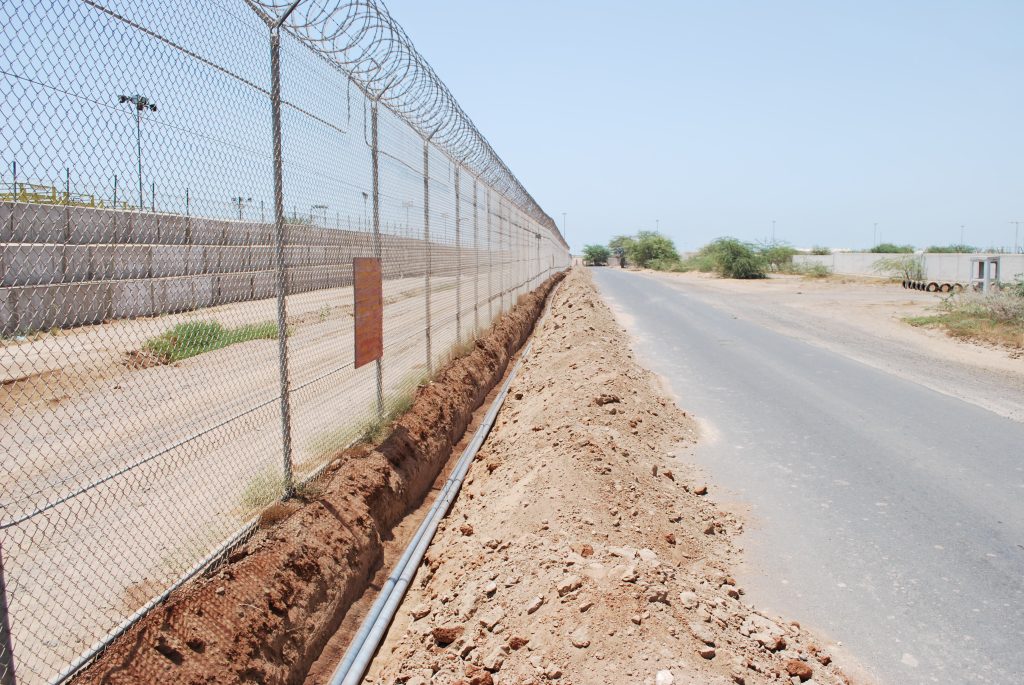
Between 2009 and 2014, BringCom achieved significant milestones and strategic transformations that shaped its trajectory. During this period, the company expanded its footprint by securing key contracts, such as constructing a fiber network to the US Base Camp Lemonnier in Djibouti and demonstrated operational agility by rapidly deploying services during the Ebola crisis in Monrovia. Strategic collaborations with SES and Djibouti Telecom enhanced regional connectivity, while the shift from satellite to fiber services redefined our revenue composition and market focus. These years underscored the importance of adaptability and strategic focus in driving BringCom’s sustained growth and success.
How would you describe the major milestones or achievements the company reached during years 5 to 10?
Between 2009 and 2014, BringCom achieved significant milestones and adaptations in its service provision. In 2009, the company secured a contract to construct a fiber network to the US Base Camp Lemonnier in Djibouti, subsequently earning its first fiber service contract upon successful network completion. Amidst the Ebola crisis in 2014, BringCom’s rapid deployment of services to Monrovia within two weeks of contract award stood as a notable accomplishment during a period of intense crisis. This period also saw strategic collaborations, including the promotion of the Djibouti Teleport and partnerships with SES and PCCW to enhance connectivity in the region.
During this time, BringCom expanded its offerings by installing and hosting a 9m antenna for SES in Djibouti and promoting Djibouti’s Teleport facility for regional connectivity. This period saw a substantial revenue increase of 50% from 2009 to 2014. Noteworthy was the revenue composition shift, with satellite services constituting 85% of revenue in 2009 but declining to 15% by 2014, while fiber services saw a proportional increase and became 85% of our revenue. This transformation was partly driven by the decreasing competitiveness of BringCom’s satellite services due to its long-term contracts with fixed rates.
Can you discuss any significant changes in the company’s strategy or direction that occurred during this period?
During this period, BringCom strategically identified and capitalized on a new niche market, catering to government and corporate clients embarking on projects in Africa and seeking high-quality connectivity solutions. This entailed establishing partnerships with fiber providers across Europe and Africa to augment its service portfolio with fiber offerings, leveraging its operational expertise to enhance service quality. Additionally, BringCom revamped its business model, transitioning from establishing local subsidiaries to partnering with domestic providers in Europe and Africa. This approach enabled the company to deliver reliable services to its international clientele while optimizing operational efficiency and expanding its market reach.
What were the primary growth drivers for the company during these years?
At this point in our journey, BringCom experienced significant revenue growth driven by new US government projects in Africa, which demanded substantial fiber-based, low-latency capacity services. Additionally, the company saw a surge in satellite revenue primarily attributed to operations from the Djibouti Teleport.

Did the company face any particularly challenging moments or crises during this time?
Operating fiber network services presents distinct challenges compared to satellite services. Unlike satellite, where dealings typically involve a single provider, fiber necessitates collaboration with multiple providers to establish end-to-end connectivity between Africa and the global network. This complexity introduces new operational hurdles, requiring troubleshooting across different time zones when outages occur. While satellite services typically boast higher reliability levels, with a service level of around 99.5%, fiber networks often exhibit slightly lower reliability, averaging around 97-98%, due to longer repair times for fiber circuits on land and undersea. Consequently, adjustments to NOC procedures were necessary to address the intricacies of troubleshooting and repairing fiber-related issues.
Were there any key partnerships or collaborations formed during years 5 to 10 that significantly impacted the company?
At this point, we began partnerships with Tier-1 international carriers like BT, T-Systems, and African carriers such as Djibouti Telecom and MTN GlobalConnect (now Bayobab). These collaborations facilitated the provision of fiber network services for BringCom’s clients across Africa and Europe. Additionally, in satellite projects coupled with fiber services, Intelsat became a pivotal partner, particularly in projects associated with US government initiatives in the Middle East and Africa.
Did the company expand into new markets or product/service offerings during years 5 to 10? If so, what was the strategy behind these expansions?
BringCom underwent substantial growth and diversification during years 5 to 10, augmenting its technology portfolio with the addition of fiber services alongside its existing satellite and microwave offerings. Geographical expansion into new markets across Africa (including Djibouti and Liberia) and the Middle East (such as Bahrain and Afghanistan) broadened the company’s reach. This expansion facilitated the acquisition of a new customer base, including the US Government and international corporate clients operating in Africa and the Middle East. The overarching strategy behind these endeavors was to cater to the telecommunications needs of the US Government in Africa and the Middle East, leveraging a comprehensive suite of satellite, microwave, and fiber services.
Looking back, what do you consider to be the most important lessons learned during these years, and how have they shaped the company’s trajectory moving forward?
The years 2009-2014 marked a pivotal period for BringCom, defining its trajectory by identifying and capitalizing on a niche market: serving US Government projects in Africa. This strategic focus has been integral to the company’s core strategy since 2009, driving its growth to the present day. Leveraging its operational expertise, BringCom diversified its service offerings to include fiber-based telecommunications services alongside satellite and microwave technologies, reflecting its adaptability to the dynamic African telecommunications landscape. The company’s agility has been instrumental in navigating challenges and successfully executing numerous complex projects across the continent, underscoring its unique position in the market.
Stay tuned as we highlight our first organization we chose to support soon and continue our story for our 20th year celebration.